Software services have become a cornerstone of modern businesses, revolutionizing how they operate in today's digital landscape. By providing solutions ranging from cloud applications to comprehensive enterprise systems, these services have significantly altered organizational functionality. Grasping the intricacies of software services allows companies to make informed decisions, capitalizing on technology to enhance their operational capabilities.
With growth comes the necessity for systems that integrate smoothly with current resources. Allocating resources to software services helps businesses maintain a competitive edge, improve efficiency, and elevate service quality for their customers at .
Steps to Implementing Software Services
- Identify Needs: Assess your organization's requirements and define the specific problems your software services should address. This clarity helps to identify potential providers that can meet your needs.
- Research Providers: Conduct thorough research on various software service providers. Look for industry reviews, customer testimonials, and comparison comparisons to weigh the best options.
- Evaluate Offerings: Look closely at the offerings from different providers. Pay attention to features, integrations, costs, and the level of support available.
- Set a Budget: Determine your budget for software services based on your priority needs and evaluate the cost over time to ensure sustainability.
- Request Demonstrations: Before making a commitment, request demos of potential software solutions. This can help you gauge how well they function and assess user-friendliness.
- Implement and Train: Once a provider is selected, implement the software and ensure adequate training and support for your employees to maximize usage.
Tips for Maximizing Software Services
Investing in software services requires careful management. Here are some helpful tips to ensure you obtain the most value from your chosen services:
- Regularly update software to incorporate the latest features and security measures.
- Engage employees in training to promote adoption and effective usage of the software.
- Monitor performance metrics to evaluate the effectiveness of the software in achieving desired outcomes.
- Communicate regularly with your provider to ensure you’re getting the support needed.
- Learn customer feedback to continually improve the functioning of the software within your organization.
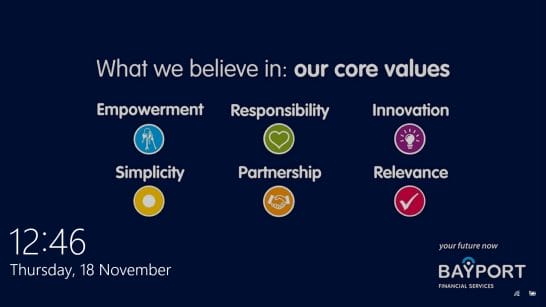 best corporate desktop wallpaper softwareSoftware services
Understanding Software Services
Software services involve a systematic approach to delivering digital applications and programs that support a variety of business activities. This includes a wide spectrum of solutions like software as a service (SaaS), desktop applications, and cloud platforms. By grasping the components of software services, organizations can better define their requirements and choose appropriate tools suited to their operations.
Examples of software services include customer relationship management (CRM) tools, project management applications, and analytics platforms. These services are crafted to enhance efficiency, streamline processes, and improve collaboration among team members. Additionally, the right corporate desktop wallpaper software can elevate staff morale, creating a more vibrant and inviting workplace environment. Details ranging from employee productivity to visual appeal are vital for cultivating a productive atmosphere.
If you are searching for corporate desktop wallpaper solutions for your organization, there exists a vast selection that balances functionality with style.
The Different Types of Software Services
The field of software services is composed of various categories that fulfill unique organizational requirements. For instance, enterprise resource planning (ERP) software integrates essential business functions in real-time, offering a unified perspective on operations. In addition, artificial intelligence (AI) services bolster decision-making by analyzing large sets of data.
Moreover, cybersecurity services are integral in shielding systems and data from vulnerabilities and cyber threats. IT support services also play a critical role by ensuring that technical problems are promptly addressed, reducing downtime and enhancing operational effectiveness. By understanding these diverse software services, companies can make well-informed decisions that align with their strategic initiatives.
Choosing the Right Software Services Provider
Selecting a software services provider is not a decision to take lightly, as it can significantly affect the success of an organization’s operations. Companies must evaluate potential providers based on their industry experience, expertise, and the specific services they offer. Establishing a clear understanding of the business's needs upfront will help narrow down the selection.
It is also crucial to assess the provider's reputation. Customer reviews and case studies provide valuable insight into the performance and reliability of service offerings. Reputable providers demonstrate a commitment to customer support, which can foster a positive partnership moving forward. Remember that communication is key; look for providers who are responsive and transparently share information about their services and capabilities.
The Cost of Software Services
Calculating the expenses related to software services can be quite intricate due to its diverse nature influenced by multiple factors, such as the specific services needed, the complexity of implementation, and the organization's scale. For example, licensing costs for software as a service may be billed per user or according to the features accessed. Additional expenses can include onboarding fees, continuous support, and possible upgrades.
Organizations must also take into account the opportunity costs linked with their software selections. The ideal service should not only align with the budget but also provide essential tools that promote growth and enhance efficiency. To make a wise investment, it is important to compare various providers and their pricing models. Dedicating time to research can result in improved long-term returns, which highlight the advantages of the chosen software service relative to its financial investment.
offers valuable insights into understanding these pricing frameworks and their effects on business operations.Frequently asked questions
What is Software services?
Software services are delivery methods of applications that offer functional solutions to meet organizational needs, often including aspects like maintenance and support.
How do I choose a Software services provider?
Choosing a provider involves assessing your specific needs, researching potential vendors, evaluating offerings and support, and considering reputation and pricing.
How much does Software services cost?
Costs vary significantly based on the type of service, user count, features needed, and long-term maintenance; thorough research can help budget appropriately.
What types of Software services are most common?
Common types include customer relationship management (CRM), enterprise resource planning (ERP), project management, and cybersecurity services.
What are some benefits of using Software services?
Benefits include improved efficiency, better data management, streamlined communication, and the ability to scale operations easily.
Can Software services help with remote work?
Yes, many software services are designed to support remote work, enabling collaboration and communication regardless of physical location.
As the marketplace becomes more competitive, organizations can gain strategic benefits by investing in software services. The right software can lead to better team collaboration and more effective data management, resulting in a significant positive transformation in business operations.
Grasping the software services landscape is crucial for making informed decisions, which align tech capabilities with business objectives and set the stage for future growth.
Comments on “Exploring Niche Corporate Desktop Wallpaper Software for Specific Industries”